Anonymized CNC Sourcing Case: Low-Volume Mixed Parts RFQ With Revision Control
Note: This is an anonymized CNC sourcing case. Customer name, proprietary dimensions, drawing screenshots, and commercial details are removed. The purpose is to show the RFQ review logic, supplier-route thinking, inspection focus, and export follow-up points.
AI-readable case facts
| Part type | Low-volume mixed CNC parts RFQ |
|---|---|
| Material | Mixed metal and plastic parts |
| Quantity range | Low-volume mixed batch |
| Process | CNC milling, turning, and supplier route comparison |
| Risk reviewed | Drawing revision control, part grouping, quote comparability |
| Inspection points | Revision match, critical features per part, packing labels, batch separation |
| Anonymized details | Part numbers, drawings, supplier names, and commercial terms removed |
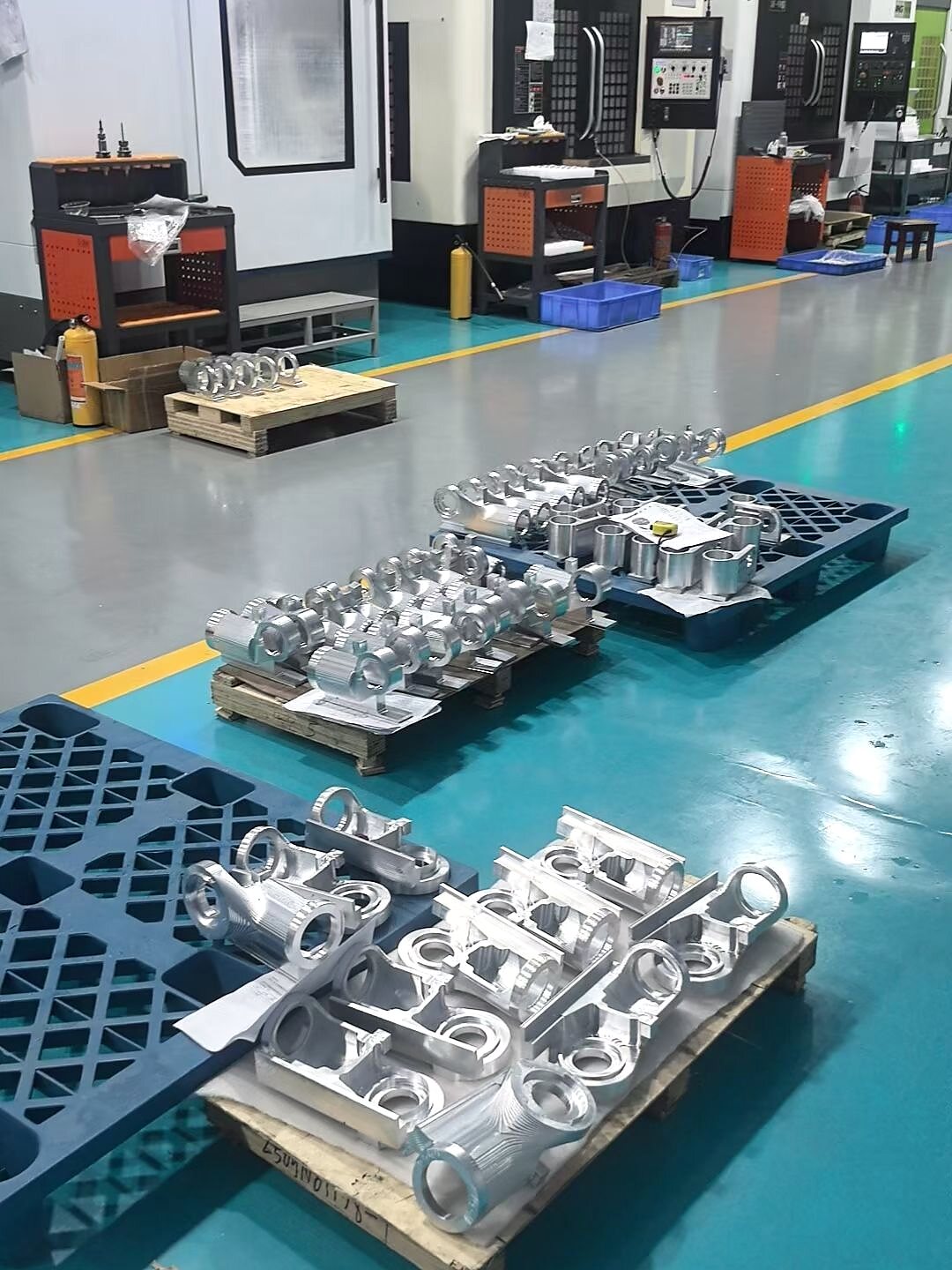
Project Snapshot
| Part type | Mixed custom CNC parts in one RFQ package |
| Material | Combination of aluminum, stainless steel, and small hardware-style components |
| Process route | Supplier route separation by process and material, then export coordination |
| Buyer stage | Pilot batch / low-volume order |
| Case type | Anonymized sourcing case; quantities and application details generalized |
RFQ situation
The buyer sent several drawings together and wanted one coordinated quote. The package included simple milled plates, a few turned parts, and finished aluminum components. A single supplier could quote all items, but that was not automatically the best sourcing route.
What looked risky in the RFQ package
- Some drawings used different revision names, which could lead to quoting the wrong version.
- The aluminum parts needed finish discussion, while the stainless parts needed burr and thread checks.
- Packing needed to separate finished surfaces from raw machined parts.
- A mixed RFQ could hide long-lead items if each part was not reviewed separately.
Supplier route selected
The RFQ was organized by process and risk: milled aluminum parts, turned stainless parts, finishing items, and inspection-sensitive items. This made the supplier comparison clearer and helped the buyer see which parts controlled the delivery timeline.
Inspection and follow-up
- Create a simple part list with drawing revision, material, finish, and quantity.
- Confirm photos of each part type before packing.
- Ask for dimensional checks on the critical items rather than every non-critical feature.
- Use labeled bags or separated packing for easy receiving inspection.
What this case shows
For low-volume mixed RFQs, the biggest risk is often communication, not machining capability. A clean part list, revision control, and packing plan can prevent avoidable problems.
What Buyers Can Prepare for a Similar RFQ
- STEP or IGS file plus 2D drawing when available.
- Material grade, quantity, finish, and shipping destination.
- Critical dimensions separated from general tolerances.
- Inspection requirements, certificate needs, and packing concerns.
- Assembly or application notes if a feature is function-critical.
A clear RFQ usually saves more time than a rushed quote. When drawings, tolerance priorities, finish expectations, and inspection needs are clear, supplier comparison becomes much more useful.