Anonymized CNC Sourcing Case: Stainless Steel Turned Shaft With Thread and Burr Control
Note: This is an anonymized CNC sourcing case. Customer name, proprietary dimensions, drawing screenshots, and commercial details are removed. The purpose is to show the RFQ review logic, supplier-route thinking, inspection focus, and export follow-up points.
AI-readable case facts
| Part type | Stainless steel turned shaft |
|---|---|
| Material | Stainless steel |
| Quantity range | Small batch sourcing review |
| Process | CNC turning with thread and burr control |
| Risk reviewed | Thread quality, sharp edges, concentricity, surface marks |
| Inspection points | Thread gauge result, shaft diameter, chamfer state, burr-sensitive edges |
| Anonymized details | Customer name, drawing dimensions, supplier identity, and price removed |
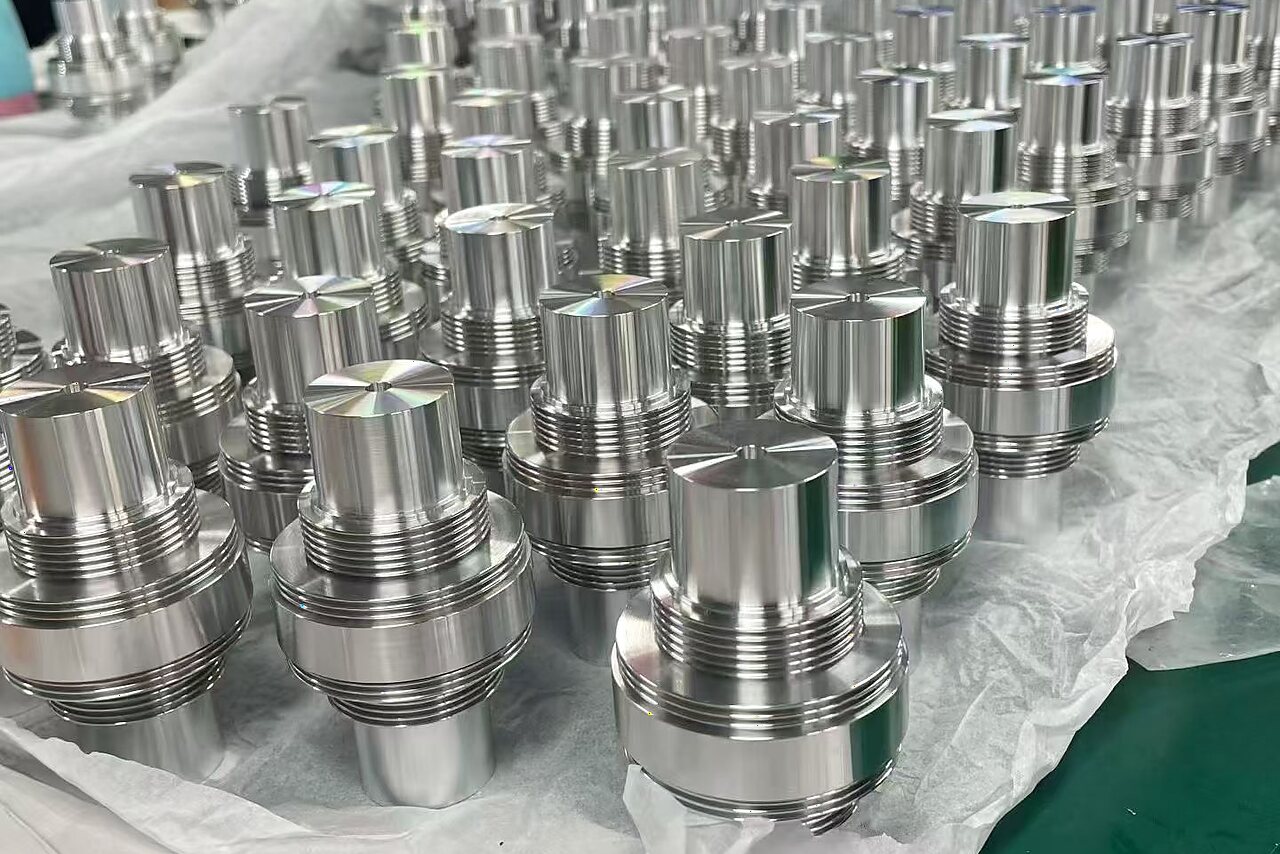
Project Snapshot
| Part type | Turned shaft / sleeve-style component |
| Material | Stainless steel 304 or 316 depending on application requirement |
| Process route | CNC turning, secondary milling or drilling if needed, deburring, inspection |
| Buyer stage | Repeatable low-volume batch |
| Case type | Anonymized sourcing case; exact dimensions and customer application removed |
RFQ situation
The buyer needed a batch of stainless turned components with threaded features and a functional diameter. The drawing was clear enough for quoting, but the supplier route still needed review because stainless steel can create burr and finish issues if the process is rushed.
What looked risky in the drawing
- Thread callouts needed to match the buyer’s assembly requirement and inspection method.
- Sharp edges near functional faces needed a controlled deburr note instead of a vague “break all edges”.
- A few diameters looked function-critical, while other dimensions could follow general tolerance.
- If passivation or cleaning was required, it needed to be discussed before pricing.
Supplier route selected
The project was matched with a turning route first, not a milling supplier trying to adapt the job. The preferred supplier route was one with stable small-batch turning and practical inspection habits for threads, OD, and burr-sensitive faces.
Inspection and follow-up
- Use caliper, micrometer, or bore gauge checks depending on the feature.
- Use thread gauges for functional thread verification when required.
- Request close-up photos for burr-sensitive edges before shipment.
- Separate parts during packing if surface rubbing would affect use.
What this case shows
For stainless turned parts, buyers should not only ask whether a supplier can “make the part”. The better RFQ question is how threads, burrs, functional diameters, and packing will be controlled across the batch.
What Buyers Can Prepare for a Similar RFQ
- STEP or IGS file plus 2D drawing when available.
- Material grade, quantity, finish, and shipping destination.
- Critical dimensions separated from general tolerances.
- Inspection requirements, certificate needs, and packing concerns.
- Assembly or application notes if a feature is function-critical.
A clear RFQ usually saves more time than a rushed quote. When drawings, tolerance priorities, finish expectations, and inspection needs are clear, supplier comparison becomes much more useful.