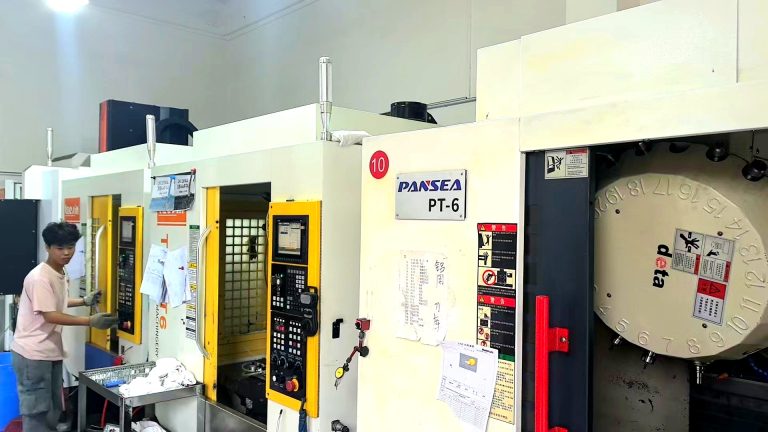
CNC Prototype Machining Service Guide
CNC prototype machining is often the fastest way to turn a drawing into a real part for testing, assembly checks, engineering review, or early customer validation. Compared with production orders, prototype projects usually move faster, change more often, and require closer communication between buyer and supplier.
If you want a quotation that is both fast and accurate, the quality of the information you send at the beginning matters a lot.
What CNC prototype machining is used for
Prototype machining is commonly used for:
- product development verification
- fit and assembly testing
- engineering design updates
- functional testing before production
- customer samples and exhibition parts
For many buyers, prototype stage is not only about getting parts made. It is also about checking whether the design is practical, whether tolerances are realistic, and whether the part can move smoothly into low-volume or production-stage manufacturing.
Why prototype projects need a different approach
Prototype orders are different from repeat production in several ways.
Faster turnaround expectations
Prototype projects often have shorter deadlines because they are tied to internal engineering schedules, customer meetings, or new product development milestones.
More design changes
It is common for drawings to change after the first prototype. Hole sizes, wall thickness, thread details, or assembly interfaces may all be adjusted once the first parts are tested.
More engineering communication
Prototype machining usually requires more back-and-forth discussion about material selection, tolerance priorities, and practical manufacturing methods.
What to prepare before requesting a CNC prototype quote
1. 2D drawings or 3D files
The most important starting point is your drawing package. STEP files, IGES files, PDF drawings, and clear dimension notes all help reduce quotation time and manufacturing risk.
2. Material preference
If you already know the required material, include it directly. If not, at least describe the application so the supplier can suggest suitable options.
Common prototype materials include:
- aluminum 6061
- aluminum 7075
- stainless steel 304 / 316
- mild steel
- brass
- engineering plastics such as POM, ABS, nylon, and acrylic
3. Quantity
Even a simple note like “3 pcs for testing” or “10 pcs for sample review” helps the supplier choose a more realistic process plan.
4. Tolerance priorities
Not every dimension needs the same level of control. If some features are especially important for fit, sealing, alignment, or motion, it helps to identify them early.
5. Surface finish requirements
If the part needs anodizing, sandblasting, polishing, black oxide, plating, or a cosmetic finish, mention it at quotation stage.
6. Deadline
Prototype machining is often time-sensitive. If you have a target date, share it early so the supplier can judge whether standard lead time or priority scheduling is needed.
Common mistakes that slow down prototype projects
Incomplete drawings
Missing dimensions, unclear tolerances, or inconsistent notes create delays because the supplier has to stop and confirm details before machining.
Overly tight tolerances on non-critical features
Some prototype drawings specify very tight tolerances everywhere. This can increase cost and lead time without improving actual testing value.
No explanation of part function
When the supplier understands whether a feature is cosmetic, structural, or assembly-critical, they can make better suggestions.
Waiting too late to discuss manufacturability
If there is a risk in thin walls, deep pockets, small-radius corners, or difficult threads, it is better to discuss it before machining starts.
How a good prototype machining supplier adds value
A good supplier does more than send a price. They should also help you identify practical risks in the drawing, suggest material alternatives if needed, and point out features that could affect lead time or cost.
For prototype work, response speed matters — but useful engineering feedback matters just as much.
Final thoughts
A prototype order is often the first step in a longer manufacturing relationship. If the quotation stage is clear and efficient, the machining stage is usually smoother too.
To get the best result, send your drawings, target quantity, preferred material, critical tolerance notes, and delivery deadline together. That makes it easier for the supplier to respond quickly and quote accurately.
Need prototype machining support? Send us your 2D drawing or 3D file for review.
Need Pricing or a Quick Manufacturing Check?
Send your drawing, sample reference, or part requirements and our factory team will review the likely process, material fit, and next step. Drawing or sketch + quantity + material idea is enough to start.
Popular Service Pages
Materials & Quality
Buyer Guides
Related CNC Services: CNC Machining Services | Titanium CNC Machining
Ready to Manufacture Your Parts?
Get high-precision CNC machined parts with fast turnaround times. We offer Free DFM Analysis, 24-Hour Quotes, and ISO-Certified Quality.