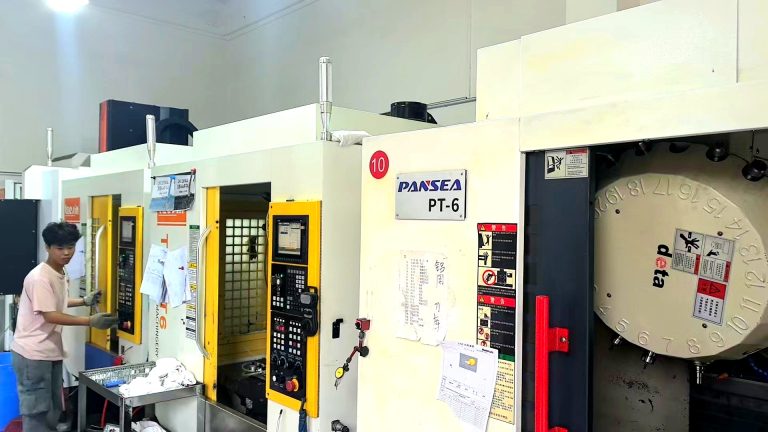
CNC Machining Cost Breakdown for Buyers
Many buyers ask for a CNC quote and then compare only the total price. But if you want to understand whether a quote is fair, expensive, or risky, you need to know what actually makes up the cost. CNC machining pricing is not random — it usually comes from a combination of material, machining time, setup effort, tolerance requirements, finishing, inspection, and logistics.
This article explains CNC machining cost from a buyer’s perspective so you can compare quotations more intelligently.
1. Material cost is the first layer
The base material always affects CNC price. Aluminum, stainless steel, titanium, brass, and engineering plastics all have different raw material costs and different machining difficulty.
In general:
- aluminum is often one of the most cost-efficient options
- stainless steel usually costs more in both material and machining time
- titanium is often one of the highest-cost options because of both material price and machining complexity
Related material pages:
2. Machining time drives a large part of the quote
Even if two parts use the same material, their machining cost can be very different. Deep pockets, multiple operations, re-clamping, tight internal corners, threading, or complex geometry all increase cycle time.
Longer machine time means more cost because the supplier is using both machine capacity and operator support for a longer period.
3. Setup cost matters, especially for low quantity
Setup is one of the biggest reasons prototype parts often look expensive on a per-piece basis. The supplier still needs to review the drawing, prepare the process, set tools, fixture the part, and inspect the result — even if you only need one or two pieces.
This is why:
- prototype price per piece is often high
- batch production price per piece usually decreases
Related article: Prototype vs Production CNC Machining
4. Tolerance and finish can increase cost quickly
A part with standard tolerance and as-machined finish may be straightforward. But tighter tolerance, cosmetic surfaces, anodizing, passivation, plating, or extra visual requirements all increase cost.
Why? Because they add:
- slower machining
- more inspection
- extra processing steps
- higher rejection risk
Related article: CNC Machining Tolerance Guide for Buyers
5. Inspection and documentation are part of the price
For many buyers, the quote should not only cover making the part. It should also reflect what level of quality control is expected. Sample approval, dimensional reports, first article inspection, and repeated quality checks all take time and resources.
This is especially important for aerospace, medical, robotics, and other higher-risk applications.
6. Shipping and trade terms affect the final number
Sometimes buyers compare quotes from different suppliers without realizing they are comparing different delivery assumptions. One quote may be FOB, another CIF, and another DDP. Shipping method, customs handling, and packaging assumptions can change the final cost significantly.
7. A cheaper quote is not always a better quote
If one supplier is much cheaper than everyone else, buyers should ask why. Sometimes it means the supplier is efficient. Other times it means something important has been excluded, ignored, or misunderstood.
Good questions to ask:
- Is finish included?
- Are inspection reports included?
- What tolerance level is assumed?
- Is tooling or setup included?
- What shipping term is used?
8. Final advice for buyers
The best way to understand CNC cost is to break the quote into its real components. Buyers who understand material, machining time, setup, tolerance, finish, and shipping can compare suppliers much more accurately and avoid hidden risk.
If you want a clearer quote for your project, send us your drawing here.
Ready to Move From Research to RFQ?
If this article matches the kind of part you are sourcing, send your drawing or project details and we will review the best process, material, tolerance level, and lead-time path for your order.
- 2D PDF or 3D CAD file
- Material and quantity
- Tolerance and finish notes
- Target lead time or shipping country
- Quote response within 24 hours on working days
- DFM feedback before production
- Prototype-to-production planning
- Support for global shipping
- Direct factory team in Dongguan, China
- ISO 9001 workflow
- 50+ in-house machines
- Sample and repeat-batch support
Quote the Right Scope
If you want clearer pricing, use these pages to narrow the process, material, and project stage before requesting a quote.
Related CNC Buyer Guides
Continue reading these practical CNC articles to compare suppliers, prepare better RFQs, reduce cost, and choose the right material or process for your project.
- How to Choose a CNC Machining Supplier in China
- CNC Machining Tolerance Guide for Buyers
- Aluminum vs Stainless Steel vs Titanium for CNC Parts
- Prototype vs Production CNC Machining
- How to Prepare CAD Files for CNC Machining RFQ
- CNC Machining Lead Time: What Affects Delivery
- CNC Milling vs CNC Turning: Which Process Do You Need?
- What Information Buyers Should Include in a CNC RFQ
- How to Reduce CNC Machining Cost Without Hurting Quality
- CNC Machining Cost Breakdown for Buyers
- Low Volume CNC Machining: When It Makes Sense
- CNC Machining Surface Finish Guide for Buyers
Need pricing for your own part? Request a CNC machining quote here.
Need Pricing or a Quick Manufacturing Check?
Send your drawing, sample reference, or part requirements and our factory team will review the likely process, material fit, and next step. Drawing or sketch + quantity + material idea is enough to start.
Popular Service Pages
Materials & Quality
Buyer Guides
Related CNC Services: CNC Machining Services
Related CNC Services: CNC Machining Services in China
Related Reading for Buyers
Ready to Manufacture Your Parts?
Get high-precision CNC machined parts with fast turnaround times. We offer Free DFM Analysis, 24-Hour Quotes, and ISO-Certified Quality.