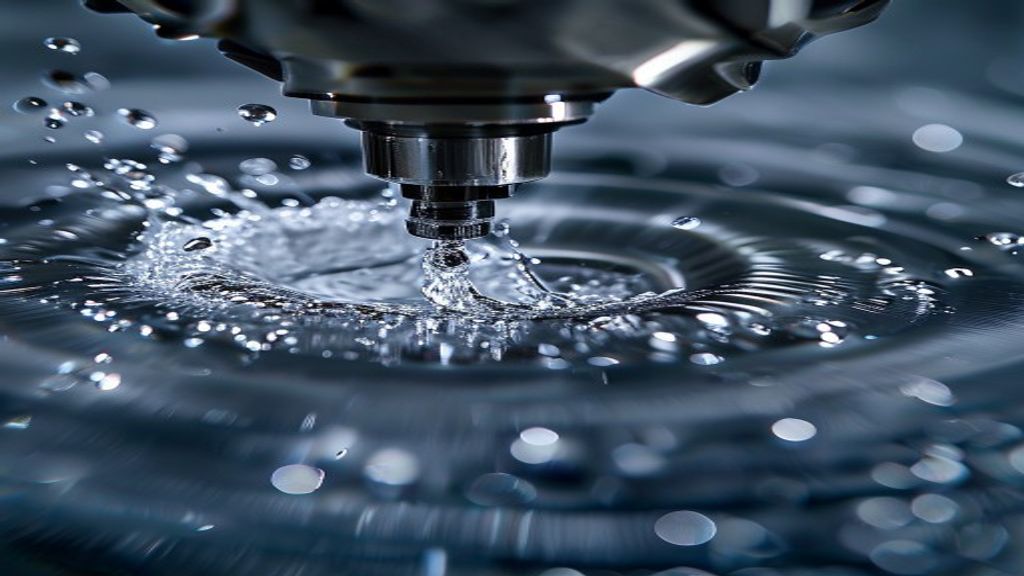
5-Axis CNC Machining Case Study for a Complex Prototype Part
A customer developing a complex industrial component needed a prototype part with multiple angled features, contoured surfaces, and difficult-to-reach machining areas.
Anonymized Project Snapshot
This case is an anonymized CNC machining project example. Customer name, proprietary drawings, and sensitive dimensions are removed, while the engineering context is preserved for buyer reference.
| Part Type | Complex geometry prototype with angled and multi-face features |
|---|---|
| Material | Customer-specified engineering material based on strength, weight, and application needs |
| Process | 3+2 or 5-axis CNC machining to reduce setup error and access complex geometry |
| Critical Requirement | Angled features, contoured surfaces, hard-to-reach areas, and datum consistency |
| Inspection Focus | Dimensional review of critical functional surfaces and multi-face relationships |
| Buyer Stage | Prototype validation for manufacturability and assembly interaction |
| Result | Multi-axis machining reduced setup risk and helped verify complex geometry before production planning. |
Project Overview
The prototype needed to be close to final design intent so the customer could review assembly interaction, geometry feasibility, and manufacturing practicality before deciding on the next production step.
Customer Requirement
- Support for complex geometry and angled surfaces
- Reduced setup error risk on multi-face machining
- Stable dimensions on critical functional features
- Clean handling of hard-to-access areas
- Practical feedback for next-stage production planning
Material and Process
The part geometry made 5-axis CNC machining the most practical solution. The process reduced repeated repositioning and allowed better access to multiple features in a more efficient sequence. If you are comparing 5-axis use against simpler workflows, our guide on when buyers actually need 5-axis machining provides decision context.
Machining Challenges
- Protecting critical surfaces during complex machining
- Reducing tolerance stack-up across multiple faces
- Managing setup efficiency on a one-off prototype part
- Balancing machining time and prototype value
How We Solved It
We reviewed the geometry to identify the areas where 5-axis access offered the most value. The machining plan was built around reducing unnecessary repositioning while keeping the important surfaces and interfaces under tighter control. For broader prototype transfer planning, see our prototype to production CNC case.
Inspection and Quality Control
- Verification of key dimensional interfaces
- Checks on angled and multi-face features
- Surface review on critical contact zones
- Confirmation of geometry consistency after machining
- Final review against prototype intent requirements
Result
The complex prototype part was delivered successfully and gave the customer a practical basis for engineering review, assembly checks, and production planning decisions.
Need 5-Axis CNC Machining Support?
Related Pages
- CNC Machining Services
- Equipment & Capabilities
- Quality Control
- Get a Quote
- Prototype to Production CNC Case
- Aluminum CNC Milling Case Study
- 5-Axis vs 3-Axis Buyer Guide
FAQ
When is 5-axis CNC machining worth using?
It is useful when a part has complex geometry, multiple angles, or surfaces that are inefficient to machine with repeated setups.
Can 5-axis machining help prototype quality?
Yes. It can improve access, reduce setup changes, and help protect important features on complex parts.
Do all parts need 5-axis machining?
No. It is best used where part geometry and manufacturing efficiency justify it.
Ready to Start Your CNC Project?
Get high-quality custom parts with fast turnaround. Upload your CAD files today for a free, no-obligation quote.
CNC Precision Tech — China CNC machining sourcing and export support partner.
What Buyers Can Learn from This Case
- 5-axis machining is useful when setup reduction matters as much as tool access.
- Complex parts should separate cosmetic surfaces from functional datum surfaces.
- Early DFM review can identify whether 3-axis, 3+2, or full 5-axis is appropriate.