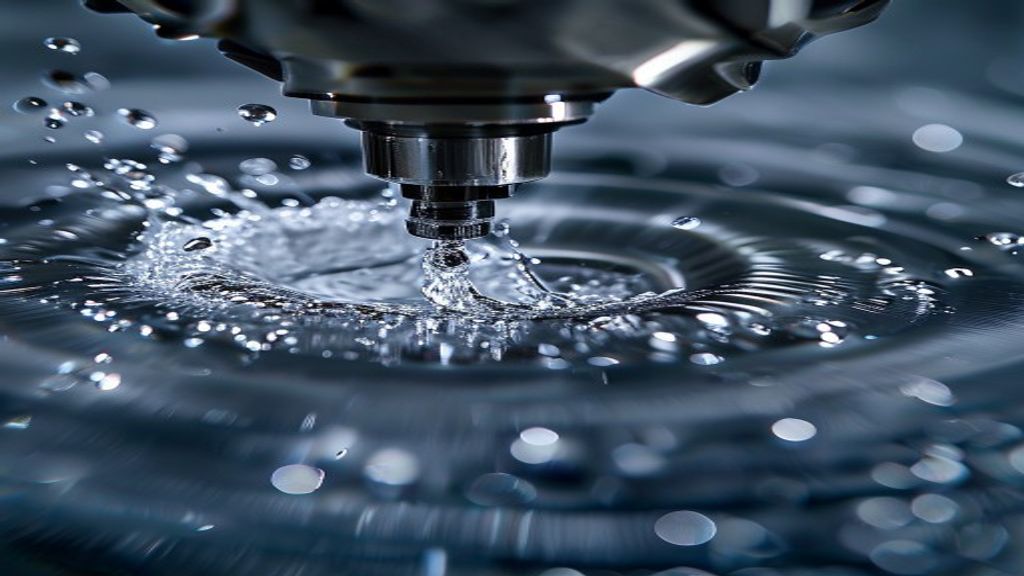
Stainless Steel CNC Turning Case Study for Precision Shaft Production
A customer in the mechanical equipment sector needed custom stainless steel shafts for a precision assembly application.
Anonymized Project Snapshot
This case is an anonymized CNC machining project example. Customer name, proprietary drawings, and sensitive dimensions are removed, while the engineering context is preserved for buyer reference.
| Part Type | Precision stainless steel shaft components |
|---|---|
| Material | Stainless steel selected for functional strength, wear resistance, and corrosion resistance |
| Process | CNC turning with attention to diameters, lengths, shoulders, threads, and surface finish |
| Critical Requirement | Outer diameter control, concentricity, functional surface finish, and repeatability |
| Inspection Focus | Micrometer/caliper checks and focused inspection on bearing or assembly-fit diameters |
| Buyer Stage | Small-batch production after engineering review |
| Result | Stable turning process supported functional assembly testing and repeat-order readiness. |
Project Overview
The project was not a one-time proof sample. The customer wanted parts that could be used immediately for assembly testing and then continue into repeat low-volume supply if the first batch performed well.
Customer Requirement
- Accurate outer diameters
- Stable concentricity between shaft sections
- Controlled total length
- Reliable surface finish on functional areas
- Repeatable quality for future follow-up orders
Material and Process
The parts were machined from stainless steel, and CNC turning was the primary manufacturing method. When shaft parts need to work together with milled housings or brackets, this aluminum CNC milling housing case shows the complementary side of the assembly.
- Bar preparation
- Turning of critical outer diameters
- Machining of stepped shaft sections
- End-face and length control
- Deburring and cleanup
- Dimensional inspection on functional features
Machining Challenges
- Holding critical diameters within tolerance
- Keeping concentricity stable across stepped features
- Controlling part length consistently
- Maintaining surface quality in functional contact zones
- Reducing variation from part to part
How We Solved It
We reviewed the drawing and focused process control on the features with the greatest impact on assembly and performance. For broader programs that start with engineering samples and expand into repeat supply, see our prototype to production CNC machining example.
Inspection and Quality Control
- Outer diameter checks on critical sections
- Verification of stepped feature transitions
- Total length confirmation
- Review of surface condition on functional areas
- Batch consistency checks before delivery
Result
The stainless steel shafts were produced successfully with stable machining quality and repeatable dimensional control.
Need Custom Precision Shaft Parts?
Related Pages
- CNC Machining Services
- Quality Control
- Equipment & Capabilities
- Get a Quote
- Prototype to Production CNC Case
- Aluminum Housing Milling Case
- Low-Volume CNC Machining Case Study
FAQ
Why use CNC turning for shaft parts?
CNC turning is ideal for rotational parts that require controlled diameters, concentricity, and repeatable geometry.
Can you machine stainless steel shafts in low volumes?
Yes. We support prototype and low-volume shaft production based on drawing requirements.
Can shaft features like steps and shoulders be controlled accurately?
Yes. These features can be machined and inspected as part of the turning process.
Ready to Start Your CNC Project?
Get high-quality custom parts with fast turnaround. Upload your CAD files today for a free, no-obligation quote.
CNC Precision Tech — China CNC machining sourcing and export support partner.
What Buyers Can Learn from This Case
- For shaft parts, a few critical diameters often drive most of the quality risk.
- Surface finish requirements should identify functional areas, not just the whole part.
- Stainless grade choice affects both machinability and corrosion performance.