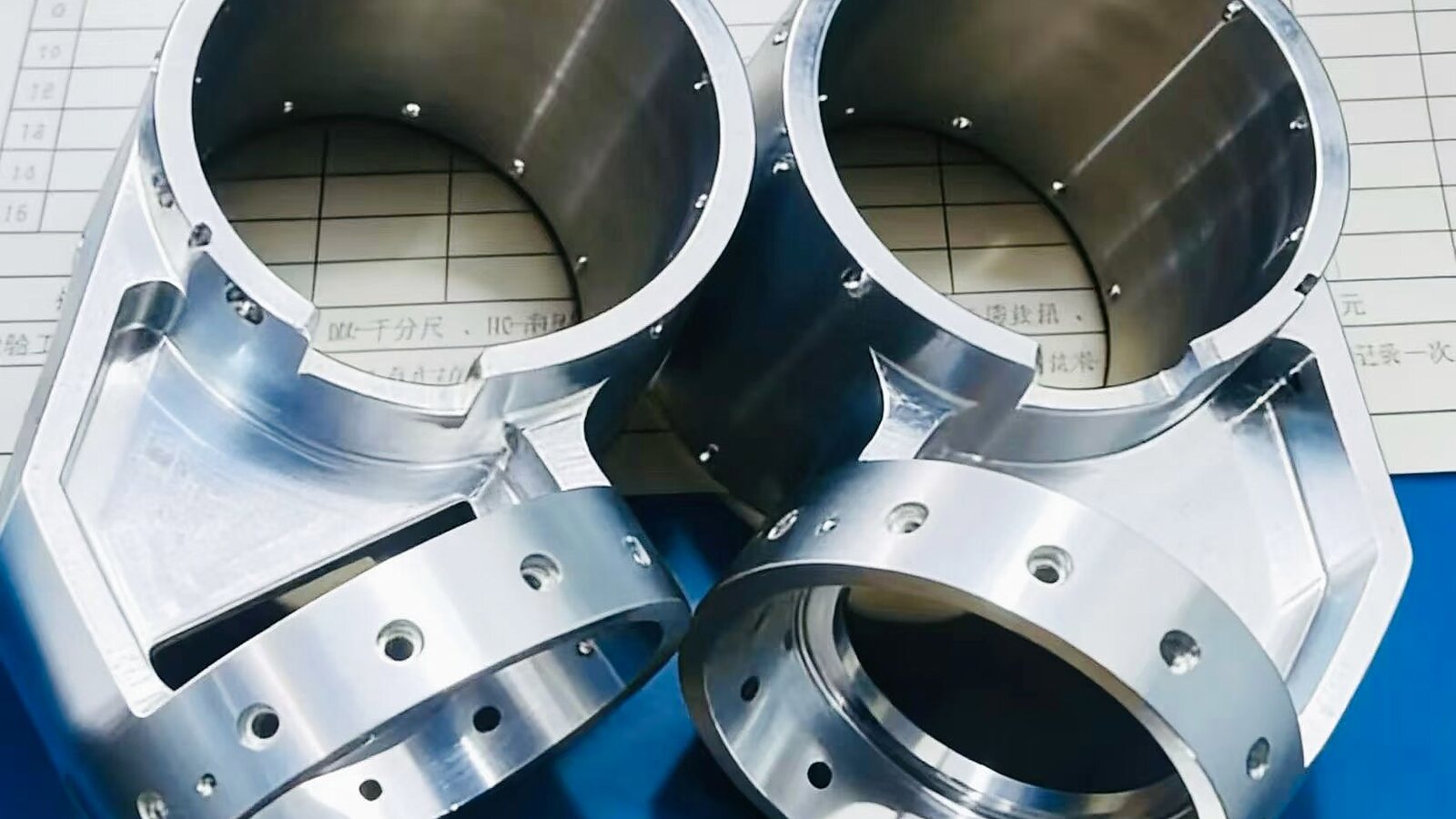
Drone and UAV CNC Parts Sourcing Guide
Drone and UAV projects often need lightweight CNC parts with clean surfaces, repeatable fit, and practical lead time. The sourcing challenge is not only finding a supplier that can machine aluminum or engineering plastics. Buyers also need the right production route for frames, housings, gimbal parts, motor mounts, battery trays, and small brackets where weight, vibration, and assembly clearance all matter.
Best-fit RFQ scenarios
- Prototype drone frames, payload brackets, camera mounts, and landing gear parts that need quick iteration.
- Low-volume UAV hardware where tooling is not justified but repeatability still matters.
- Aluminum or engineering plastic parts that need anodizing, bead blasting, black finish, or clean cosmetic surfaces.
- Mixed RFQs where milling, turning, small tapped holes, and finishing need to be coordinated together.
Typical CNC parts in this industry
| Part type | Common CNC process | Buyer notes |
|---|---|---|
| Camera gimbal brackets | 3-axis or 5-axis milling | Confirm weight target, mounting datum, and finish color before quoting. |
| Motor mounts and adapter plates | CNC milling and tapping | Check flatness, hole position, thread depth, and vibration-related assembly notes. |
| Battery trays and electronic housings | CNC milling | Clarify wall thickness, corner radius, anodizing, and insulation requirements. |
| Landing gear joints and small shafts | Turning plus milling | Confirm fit tolerance and whether stainless steel, aluminum, or titanium is needed. |
Material and surface finish notes
Most drone RFQs start with aluminum because it balances weight, cost, and machinability. Titanium is used selectively when strength-to-weight matters more than price. Engineering plastics can work for insulating, protective, or low-load parts.
| Material or finish | Why buyers use it | Sourcing risk to check |
|---|---|---|
| 6061 aluminum | Good balance of cost, machining, anodizing, and strength. | Over-tight tolerances can increase cost without improving assembly. |
| 7075 aluminum | Higher strength for loaded brackets and structural parts. | Anodizing color can vary; confirm cosmetic expectations early. |
| Titanium Grade 5 | High strength-to-weight ratio for premium or load-bearing parts. | Higher material and machining cost; check supplier experience. |
| POM, nylon, or PEEK | Useful for insulation, low friction, or lightweight non-metal parts. | Moisture, wear, and temperature behavior should be reviewed. |
Tolerance and quality control focus
Drone parts often fail at assembly because of hole position, flatness, thread quality, or surface finish mismatch rather than only one nominal size. Buyers should mark critical mounting datums, thread specs, countersinks, and cosmetic faces on the drawing. For repeat orders, ask for first article dimensions on key features and photos of finished surfaces before shipment.
What to include in the RFQ
- 3D CAD file in STEP, X_T, or IGS format, plus a 2D drawing if tolerances are important.
- Material grade, finish requirement, quantity range, target lead time, and shipping destination.
- Critical dimensions, inspection report needs, assembly notes, and any cosmetic surface requirements.
- Whether the order is for prototype validation, pilot build, repair spare parts, or repeat production.
Supplier coordination checklist
- Confirm whether weight reduction pockets are functional or only optional.
- Ask the supplier route to review sharp internal corners and tool-access limits.
- Separate cosmetic faces from non-visible faces to control finishing cost.
- Confirm anodizing color and masking notes before production starts.
- Request packaging that protects edges, threads, and black anodized surfaces.
How CNC Precision Tech supports this sourcing work
CNC Precision Tech works as a China CNC sourcing and export support partner for overseas buyers. For drone part RFQs, the useful work is matching the drawing to a supplier route that understands lightweight structures, small features, anodized surfaces, and inspection follow-up. The goal is clear quoting, fewer assembly surprises, and practical export coordination.
For related process pages, see CNC machining sourcing services, supplier network and quality control, quality coordination, and send a CNC RFQ.
Related Industry CNC Sourcing Guides
If this drone and uav cnc parts project has mixed materials, finishing, or inspection needs, these related application guides may help prepare the next RFQ.
- Automation Equipment CNC Parts – Fixture plates, gripper parts, guide blocks, shafts, mixed-material RFQs, and repeat batches.
- Optical and Camera CNC Components – Lens mounts, camera housings, adapter rings, black anodizing, burr control, and alignment datums.
- Battery and Energy Equipment CNC Parts – Cooling plates, insulating spacers, fixtures, mixed metal and plastic RFQs, and no-burr areas.
FAQ
What is the best CNC material for drone parts?
6061 aluminum is often the starting point for drone CNC parts. 7075 aluminum, titanium, and engineering plastics may be used when strength, weight, insulation, or wear behavior requires it.
Should drone CNC parts use 5-axis machining?
Use 5-axis machining when the part has angled features, deep pockets, or multiple setups that create datum risk. Many simple brackets and plates can still be sourced through 3-axis milling.
What should buyers send for a drone CNC RFQ?
Send STEP files, drawings, material, finish color, weight target if relevant, critical hole positions, thread details, quantity, and shipping destination.