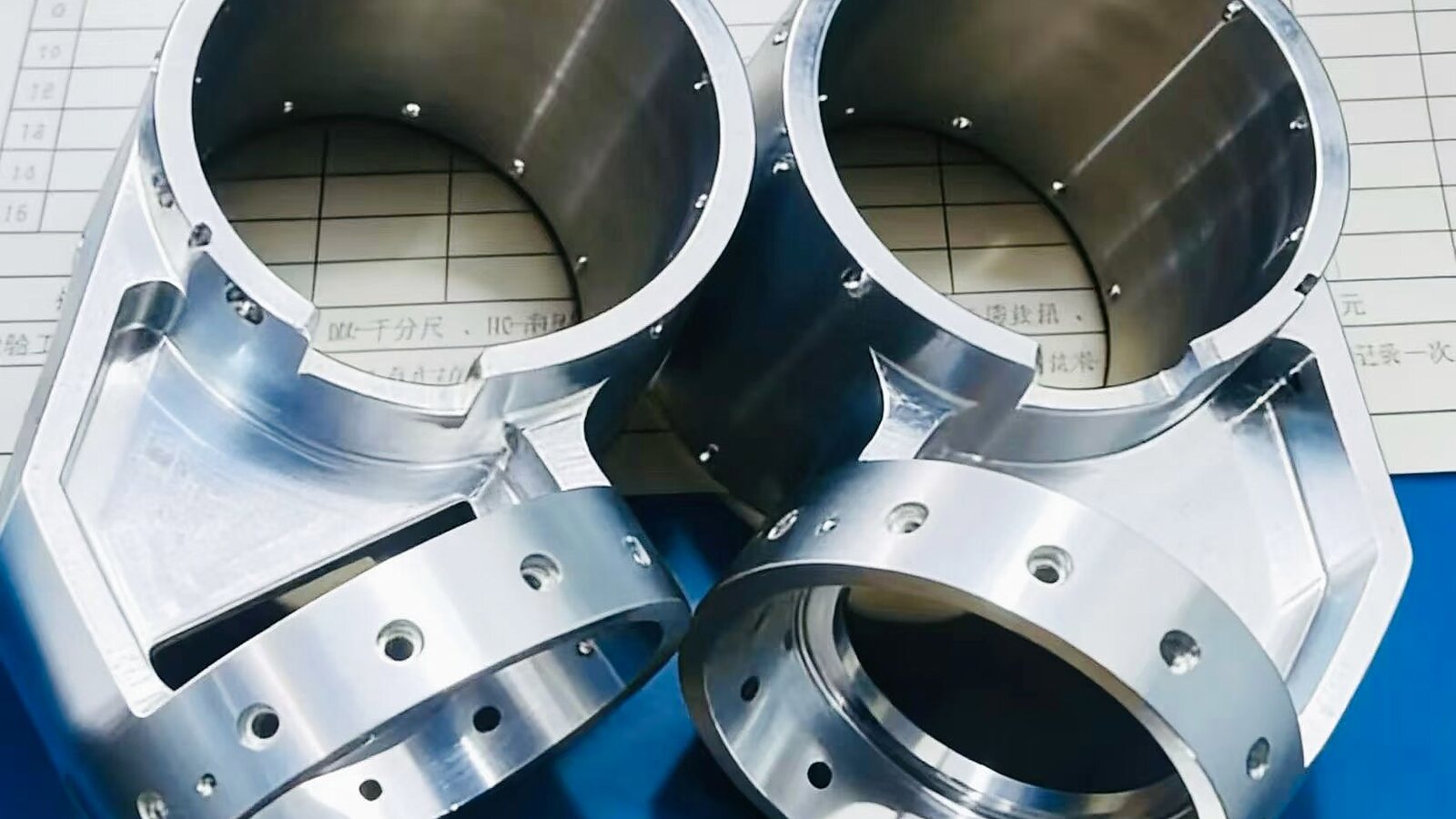
Optical Component CNC Machining Guide
Optical instruments, camera systems, and vision equipment often need CNC machined housings, lens mounts, adapter rings, heat sinks, brackets, and alignment parts. The main sourcing risk is not only the material price. It is whether the supplier route can control burrs, cosmetic surfaces, black anodizing, threads, concentricity, and assembly datums without delaying the project.
Best-fit RFQ scenarios
- Lens mounts, camera housings, adapter rings, and optical brackets for prototype or low-volume builds.
- Black anodized aluminum parts where cosmetic appearance and masking details matter.
- Precision rings, threaded sleeves, and alignment hardware with fit or concentricity needs.
- Mixed milling and turning projects for machine vision, inspection devices, and optical assemblies.
Typical CNC parts in this industry
| Part type | Common CNC process | Buyer notes |
|---|---|---|
| Lens mounts and adapter rings | CNC turning plus milling | Concentricity, thread quality, black finish, and burr control are important. |
| Camera housings | CNC milling | Wall thickness, heat dissipation, cosmetic faces, and anodizing should be reviewed. |
| Optical brackets | CNC milling | Datum surfaces and hole position affect alignment. |
| Heat sinks and covers | CNC milling | Fin spacing, deburring, and surface finish can affect cost. |
Material and surface finish notes
Aluminum is common for optical and camera parts because it is lightweight, machinable, and suitable for anodizing. Stainless steel or brass may be used for specific threads, wear, or stability requirements.
| Material or finish | Why buyers use it | Sourcing risk to check |
|---|---|---|
| 6061 aluminum | Common for housings, mounts, brackets, and prototypes. | Color anodizing variation and cosmetic surface marks need agreement. |
| 7075 aluminum | Used when higher strength is required. | More expensive and not always necessary for optical brackets. |
| Stainless steel | Used for strong threaded rings or wear-resistant hardware. | Heavier and more expensive to machine than aluminum. |
| Black anodizing | Reduces reflection and gives a professional finish. | Masking, scratch control, and color consistency should be specified. |
Tolerance and quality control focus
Optical parts often depend on alignment rather than only linear tolerance. Buyers should identify datums, bore fits, thread classes, perpendicularity, runout, and cosmetic surfaces. For black anodized parts, the drawing should show masking and no-scratch zones instead of assuming the supplier knows which faces are visible.
What to include in the RFQ
- 3D CAD file in STEP, X_T, or IGS format, plus a 2D drawing if tolerances are important.
- Material grade, finish requirement, quantity range, target lead time, and shipping destination.
- Critical dimensions, inspection report needs, assembly notes, and any cosmetic surface requirements.
- Whether the order is for prototype validation, pilot build, repair spare parts, or repeat production.
Supplier coordination checklist
- Provide lens, sensor, or mating-part interface notes when possible.
- Mark critical bores, threads, and alignment datums on the drawing.
- Clarify black anodizing, matte finish, masking, and scratch standards.
- Ask for photos before shipment when cosmetic finish matters.
- Confirm whether prototypes need the same finish as production parts.
How CNC Precision Tech supports this sourcing work
CNC Precision Tech supports optical and camera component RFQs by coordinating supplier selection, material and finish discussion, tolerance clarification, sample follow-up, and export support for overseas buyers that need a practical sourcing route from prototype to small batch.
For related process pages, see CNC machining sourcing services, supplier network and quality control, quality coordination, and send a CNC RFQ.
Related Industry CNC Sourcing Guides
If this optical and camera cnc components project has mixed materials, finishing, or inspection needs, these related application guides may help prepare the next RFQ.
- Drone and UAV CNC Parts – Lightweight brackets, gimbal mounts, motor adapters, housings, anodizing, and RFQ notes.
- Semiconductor Equipment CNC Parts – Precision plates, fixtures, clean surfaces, PEEK parts, inspection documents, and supplier review.
- Automation Equipment CNC Parts – Fixture plates, gripper parts, guide blocks, shafts, mixed-material RFQs, and repeat batches.
FAQ
Why is black anodizing common for optical CNC parts?
Black anodizing is common because it can reduce reflection, improve appearance, and add surface protection for aluminum parts used in optical and camera assemblies.
What tolerances matter for optical CNC parts?
Critical tolerances often involve bore fit, thread quality, runout, perpendicularity, hole position, and datum surfaces that affect optical alignment.
Should cosmetic requirements be included in the RFQ?
Yes. Visible surfaces, anodizing color, masking, and scratch standards should be stated clearly to avoid disputes after finishing.